Cats love to chew on leaves and nap near houseplants. However, some of these plants contain toxins that can harm your pet. As a result, this can lead to unpleasant consequences. So, what plants are toxic to cats?
Among the most dangerous are lilies, sago palms, oleander, azaleas, and autumn crocus. If you think your cat may have eaten a toxic plant, seek veterinary help right away. Below, you will learn how to identify 10 dangerous plants and what to do if such an incident occurs.

1. Lilies

Few plants toxic to cats are as dangerous as true lilies, including Easter, tiger, Asiatic, and Stargazer varieties. Even the pollen and vase water can be harmful, as every part of the plant contains toxic compounds.
Vomiting and lethargy can set in within a few hours, and kidney failure develops within 36–72 hours if left untreated. Easter bouquets illustrate why spring holiday plants and pets rarely mix well, even if the vase is placed on a high shelf.
2. Sago Palm
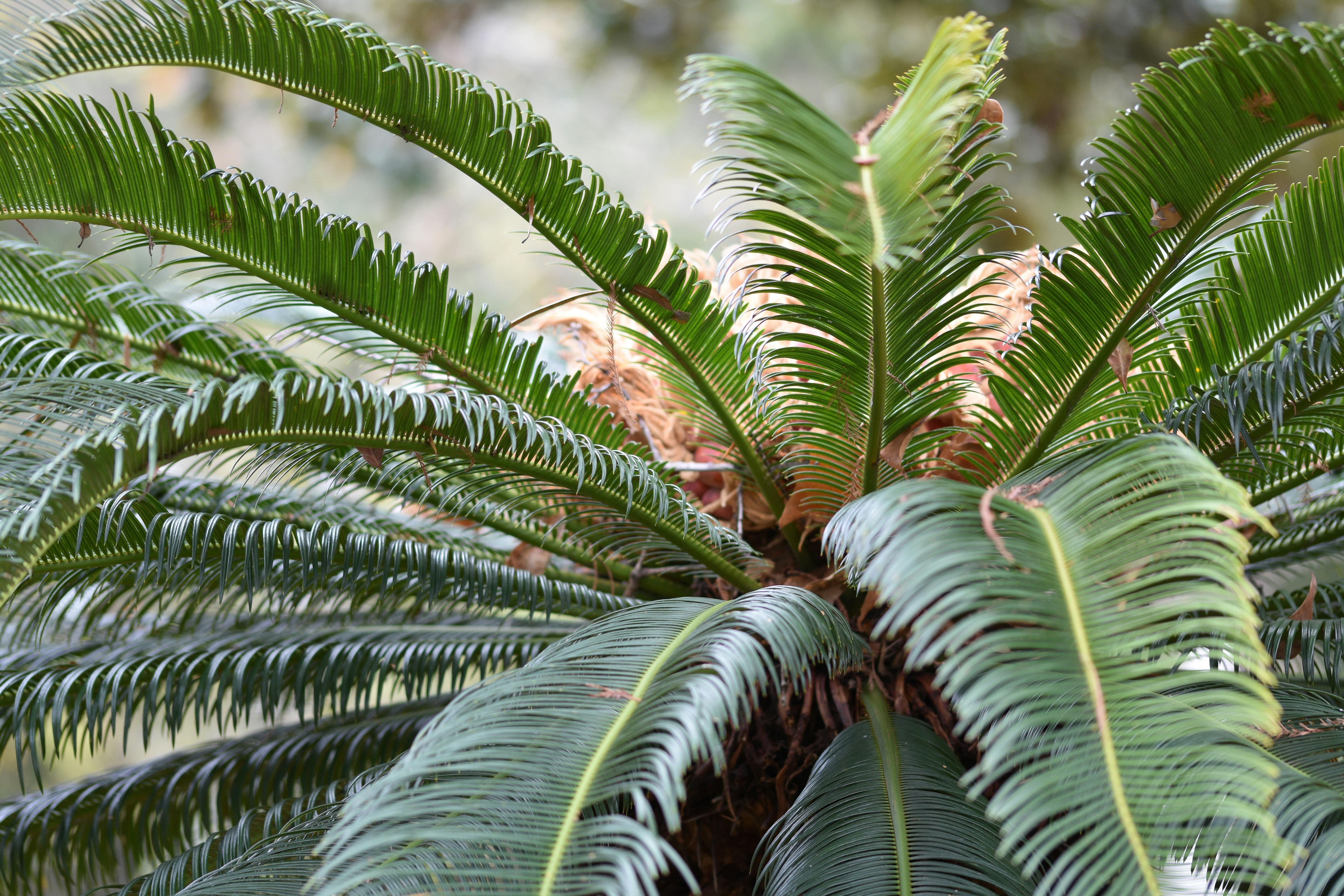
Often sold as a striking tropical houseplant, the sago palm is entirely toxic to cats. The highest concentration of cycasin — a toxin that damages the liver, is found in the seeds.
Vomiting and diarrhea (sometimes bloody) usually begin shortly after ingestion. Seizures may occur within a few hours, and liver failure develops after 2-3 days.
3. Tulips and Hyacinths

Spring bulbs, such as tulips and hyacinths, are common poisonous plants for cats. The highest concentrations of toxins are in the bulbs, which cats sometimes dig up and chew. This may cause drooling and vomiting, which are the first signs.
Ingesting large amounts of the toxins can lead to a rapid heart rate and breathing difficulties. While the leaves and flowers contain lower levels of toxins, chewing them remains dangerous.
4. Azaleas and Rhododendrons

Grayanotoxins make azaleas and rhododendrons dangerous for the heart and nervous system. These toxins are present in all parts of the plant, but concentrations are highest in the leaves. Early signs of poisoning include drooling, vomiting, and weakness.
Subsequently, the cat may experience a slowed heart rate, a drop in blood pressure, tremors, or seizures. Chewing even a few leaves can cause severe poisoning.
5. Oleander
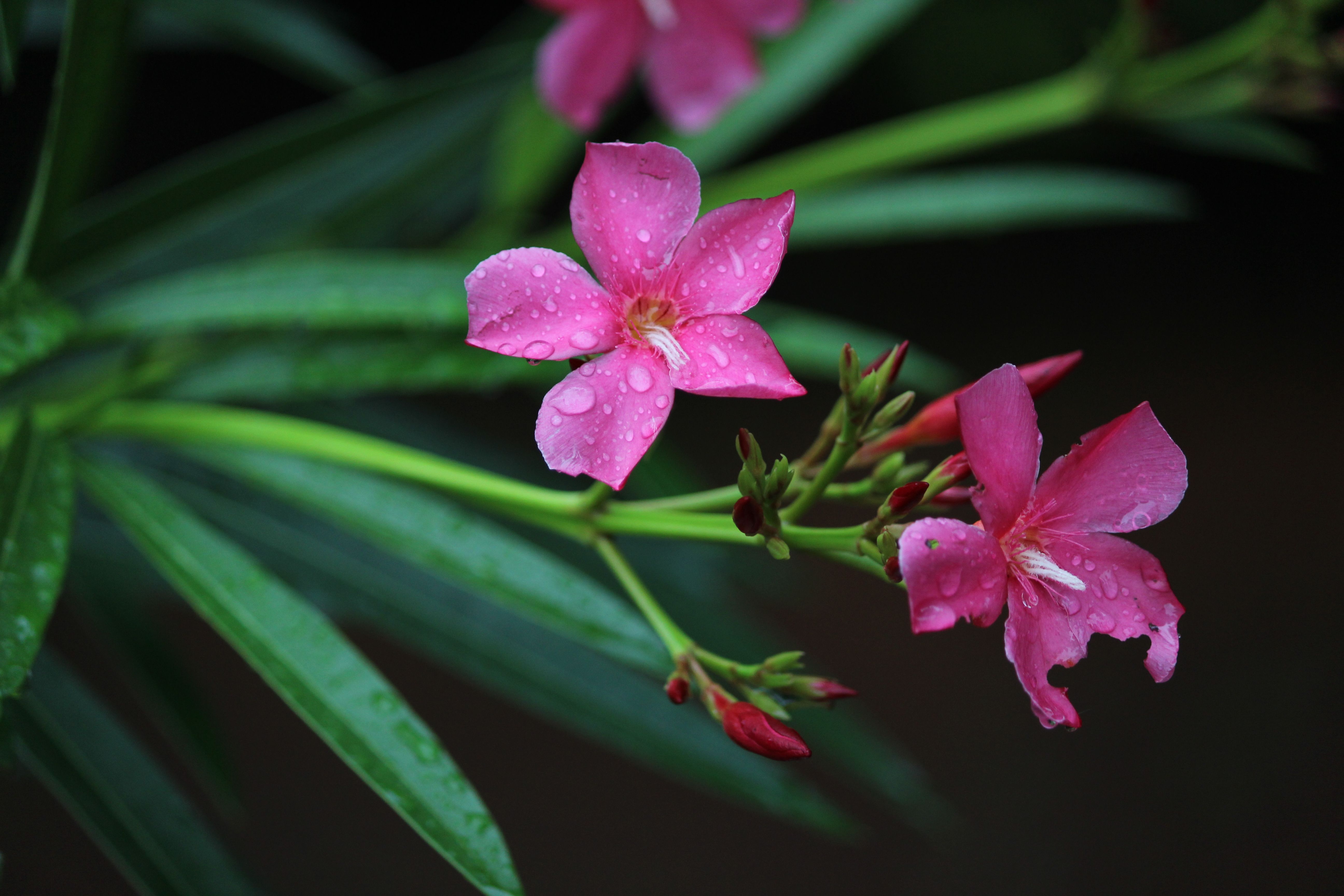
Of all the toxic plants to cats, oleander is one of the most lethal. Its leaves, flowers, and stems contain cardiac glycosides that disrupt heart rhythm. Even a single chewed leaf can cause serious heart problems in a cat.
Watch for signs such as drooling, vomiting, diarrhea, and a weak or irregular pulse. Without emergency veterinary care, collapse and death can occur.
6. Castor Bean

Ricin is an extremely dangerous toxin, and you can find it in castor bean seeds. It blocks the production of proteins essential for cellular function. Ingesting the seeds can cause a burning sensation in the mouth, vomiting, and bloody diarrhea.
Symptoms may appear after 12-48 hours, eventually leading to dehydration and organ failure.
7. Cyclamen
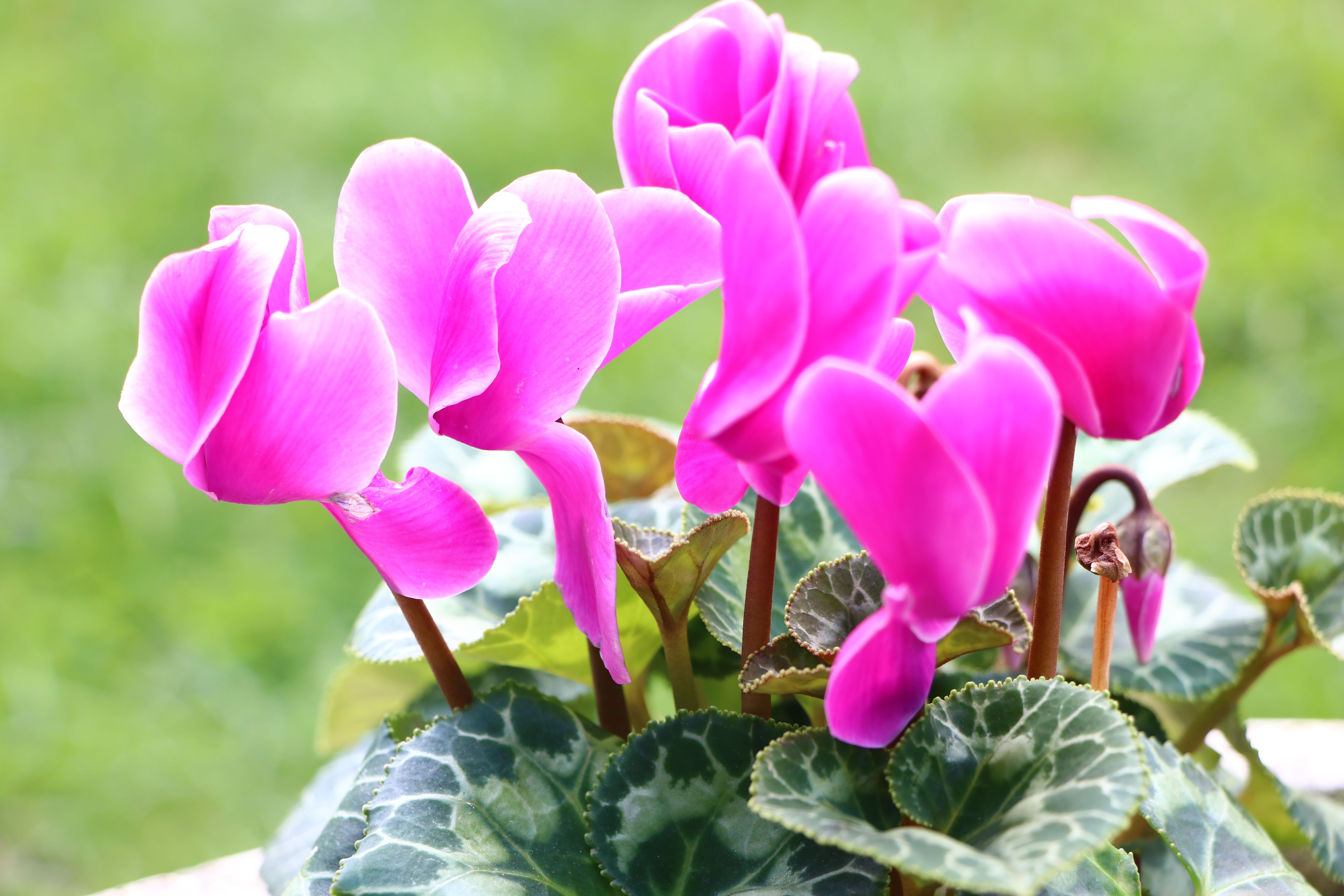
Despite its beautiful winter blooms, cyclamen is in the list of plants poisonous to cats. The underground tubers contain the highest concentration of saponins.
These substances irritate the gastrointestinal tract and cause drooling, vomiting, and diarrhea. Large doses may disturb the heart rhythm, trigger seizures, or cause death.
8. Amaryllis
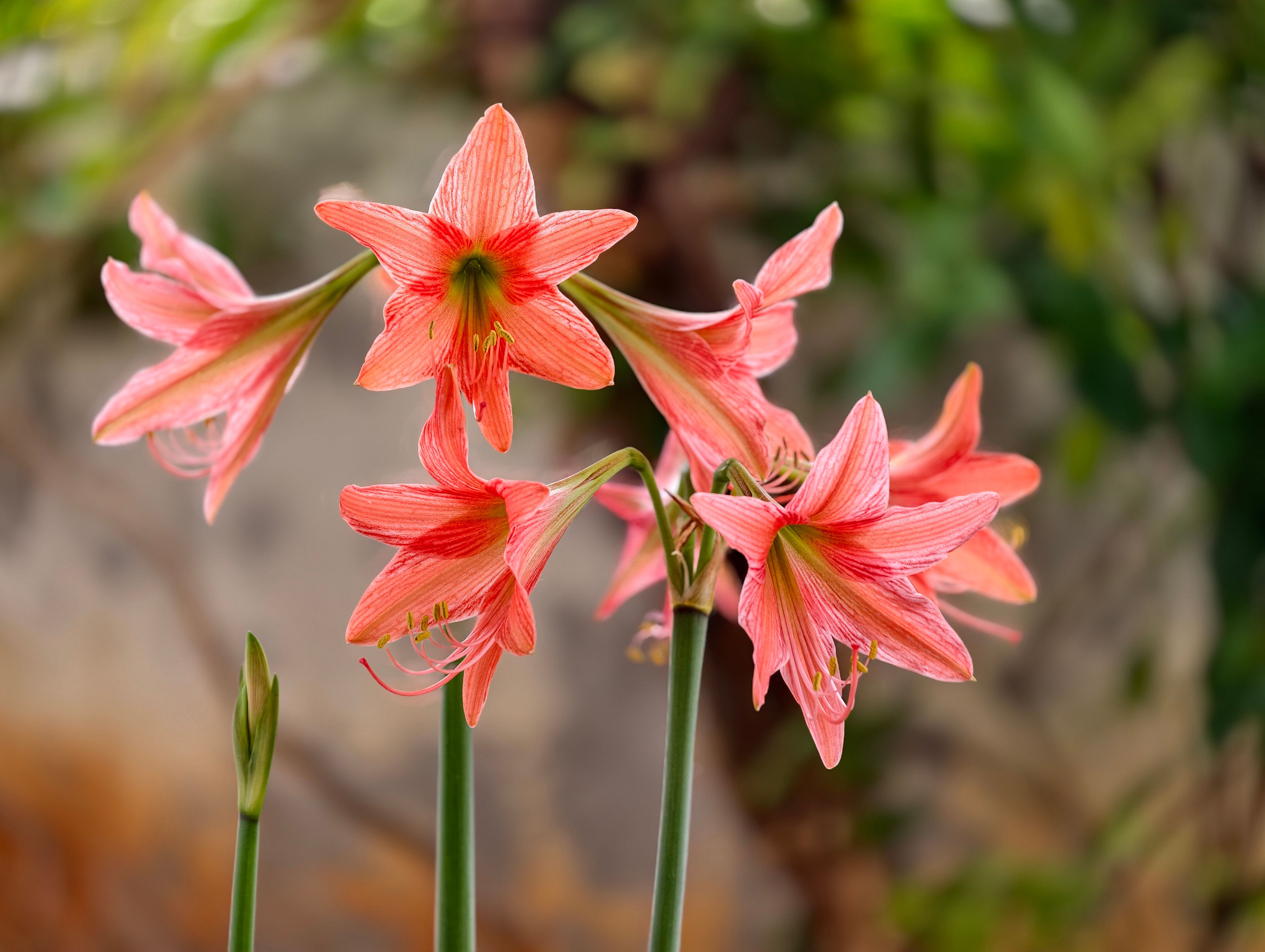
Amaryllis is a popular holiday gift, usually sold as a bulb kit. The bulb contains the most lycorine and related alkaloids, though the leaves and flowers are toxic too.
Affected cats typically vomit, drool, and refuse to eat. Severe cases may involve abdominal pain, tremors, and a drop in blood pressure.
9. Autumn Crocus
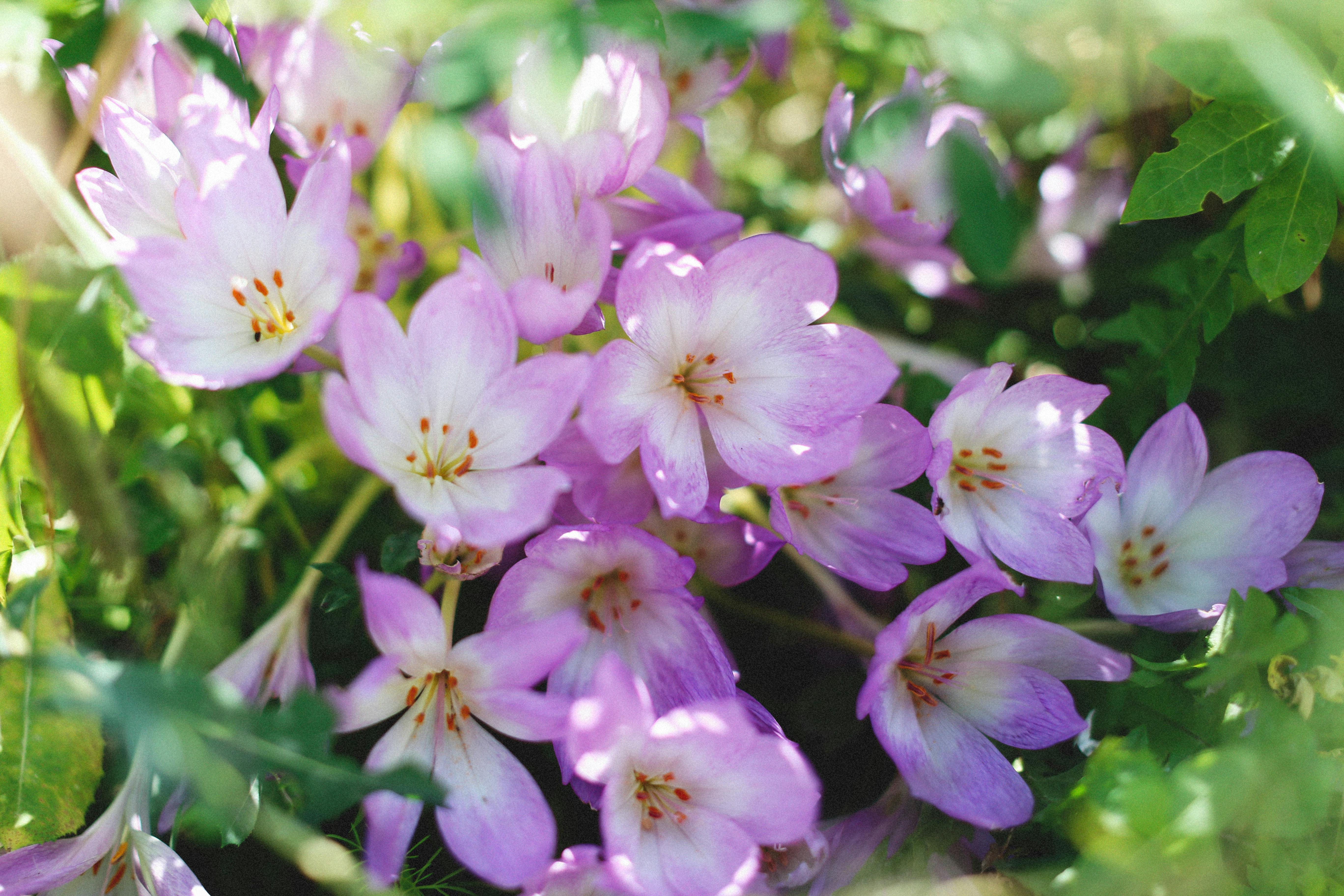
Unlike the spring crocus, which causes only mild stomach upset, the autumn crocus poses a serious threat. It ranks among the plants bad for cats because its colchicine damages cells throughout the body.
Initial symptoms include vomiting and bloody diarrhea; after a few days, internal organ damage and bone marrow suppression develop.
10. Dieffenbachia
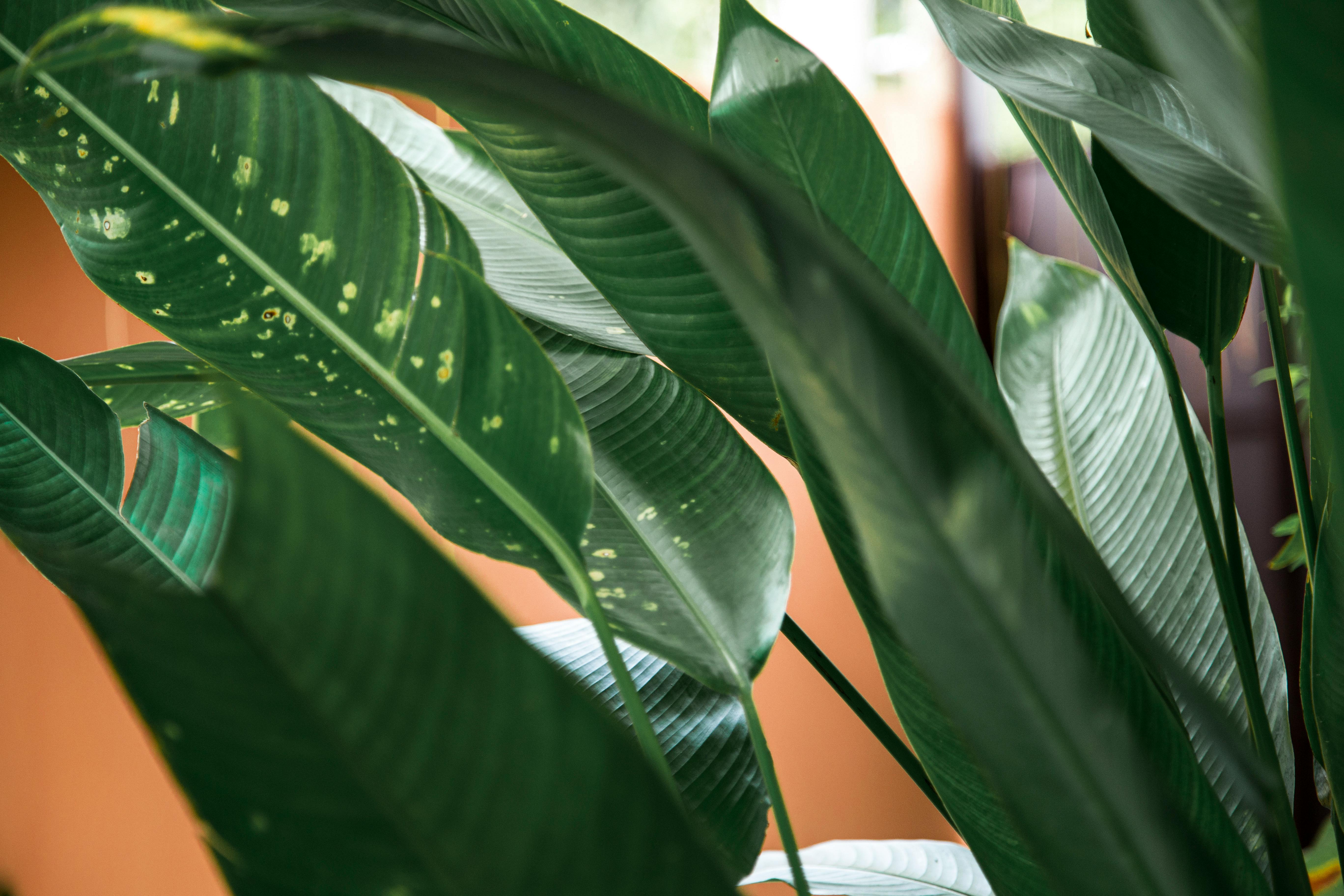
Dieffenbachia, also called dumb cane, is a common houseplant in homes and offices. Its leaves and stems contain needle-shaped calcium oxalate crystals that cause a burning sensation the moment a cat attempts to bite it.
This results in immediate oral pain, excessive drooling, and attempts by the cat to rub its face with its paws.



Leave a Reply